
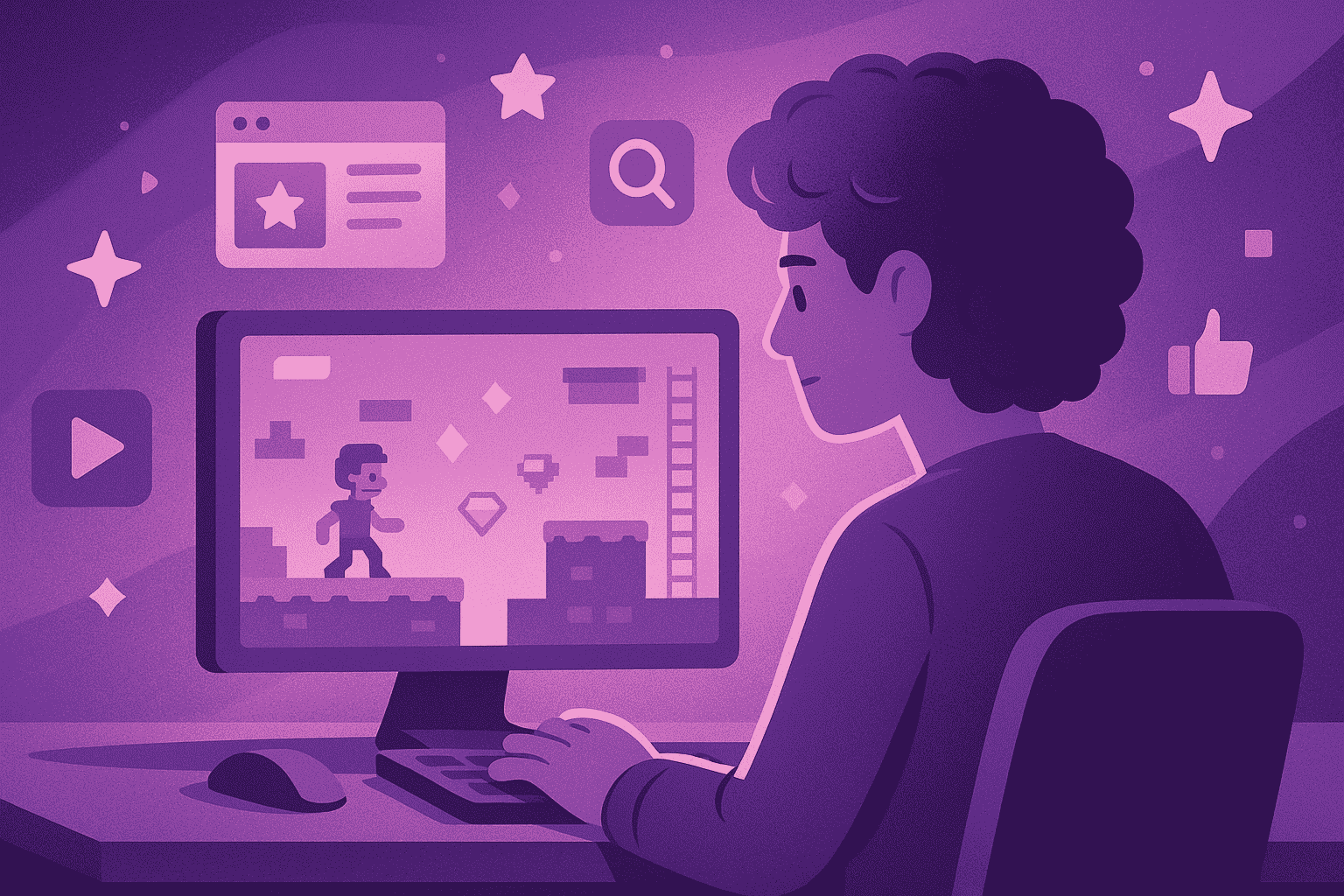
If you’re an indie developer in 2025, you’ve probably felt it: getting your game discovered is harder than ever. It’s not just about making a great game anymore — it’s about finding ways to stand out in a crowded market where thousands of new titles launch every month.
In this post, we’ll unpack the current state of indie game discoverability: why it’s become so challenging, where the opportunities still lie, and how smart developers are cutting through the noise.
The Discoverability Problem
According to SteamDB, over 13,000 games were released on Steam in 2024 alone. Factor in consoles, itch.io, and mobile platforms, and the number balloons even higher. That’s incredible for creativity — but brutal for visibility.
Here’s the harsh reality:
- Most games never make it past their first week of relevance on digital storefronts.
- Platforms prioritize what already has momentum (wishlists, early reviews, and launch-day spikes).
- Social media algorithms reward virality, not necessarily quality.
In short: being good isn’t enough — you have to be seen.
Shifting Platforms, Shifting Rules
1. Steam’s Algorithm
Steam remains the biggest storefront for indies, but its recommendation system leans heavily on wishlists, reviews, and playtime data. That means you need to build hype before launch or risk being buried.
2. Console Gatekeeping
While Nintendo, PlayStation, and Xbox now offer more indie support, breaking through their storefront curation is still tough. Platform deals and showcases help — but competition is fierce.
3. TikTok and Short-Form Video
TikTok has become one of the most powerful discoverability engines for indies. Viral clips of unique mechanics or funny bugs can generate thousands of wishlists overnight. But virality is fickle, and building a consistent funnel from TikTok to Steam is still a challenge.
4. Community Platforms
Discord servers, itch.io game jams, and newsletters like IndieGameSim or GameDiscoverCo are gaining traction as grassroots discovery hubs. They don’t guarantee sales, but they build loyal audiences early.
What’s Working Right Now
Despite the noise, some strategies consistently help indies rise above:
- Early Wishlist Campaigns
The earlier you start building wishlists, the stronger your launch visibility. Demos, devlogs, and event participation (like Steam Next Fest) are crucial. - Playable Content for Communities
Giving streamers, YouTubers, and journalists hands-on access before launch creates content that platforms can amplify. - Building Around a “Hook”
Games that market themselves well often have one clear, visual hook: - A wild mechanic (e.g., Brotato’s bullet-hell auto-shooter loop).
- A unique art style (pixel-horror, cozy-core, low-poly nostalgia).
- A relatable niche (farming sims, roguelites, cozy puzzlers).
- Leaning Into Festivals
Steam Next Fest, Indiecade, Wholesome Direct, Guerrilla Collective — these events don’t just drive traffic, they lend legitimacy and credibility to your game.
The New Reality for Indies
The old dream of “make a good game and people will find it” is gone. Discoverability is now an intentional part of development, not an afterthought. Successful indie studios are building their marketing strategies as early — and as carefully — as their core mechanics.
This doesn’t mean creativity is dead. It means your creativity has to extend beyond the game itself — into how you present, package, and share it with the world.
Final Thoughts
The state of indie game discoverability in 2025 is both daunting and full of possibility. The competition has never been fiercer, but neither have the tools and platforms available to connect with players.
For indies, the challenge is clear:
- Build communities early.
- Craft strong hooks.
- Treat discoverability as design, not just marketing.
At Stay Indie, we believe the next wave of indie success stories won’t just come from great games — they’ll come from teams who learn to navigate the discoverability maze with creativity and resilience.
The question is: how will you make sure players find your game?